Dental Services
Experience gentle and expert care for wisdom teeth removal in Raleigh, NC. Restore your comfort and oral health.
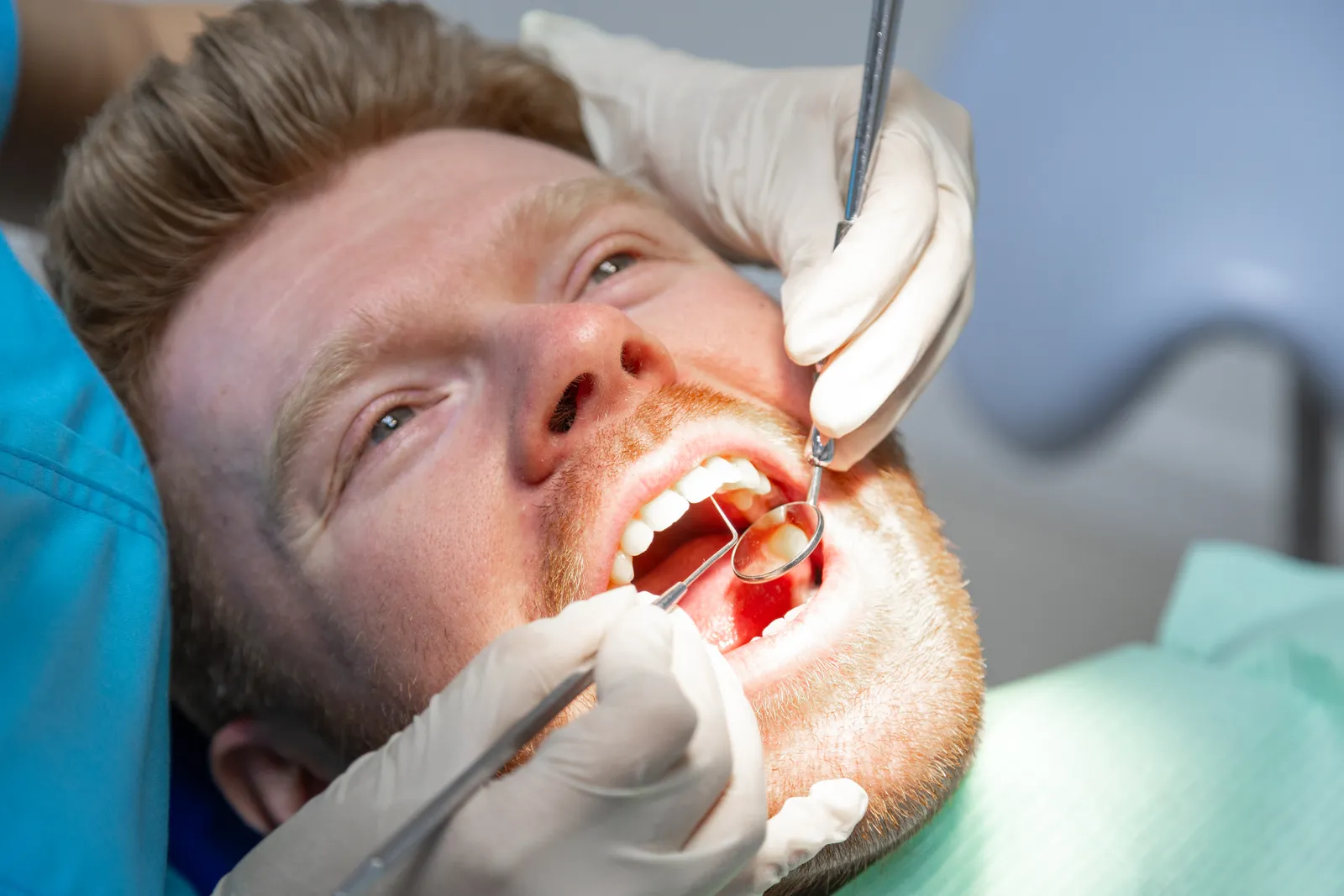
Your third molars, commonly called wisdom teeth, usually arrive between the ages of 17 and 25, long after the rest of your jaw has already settled into place. For many Raleigh patients, there simply isn't enough room for these late arrivals to come in properly, which leads to impaction, crowding, or teeth that erupt at awkward angles against neighboring molars. What starts as mild pressure in the back of the mouth can progress into swelling, jaw stiffness, and difficulty chewing on one side.
Left unaddressed, impacted or partially erupted wisdom teeth can trap food and bacteria beneath the gum tissue, raising your risk of infection, cysts, and damage to the roots of adjacent teeth. Many patients also notice disrupted sleep from jaw discomfort or a nagging ache that flares up whenever they bite down. These are not symptoms to simply manage with over-the-counter pain relievers indefinitely - they're signals that your mouth needs a closer look.
At Gentle Smiles of Raleigh, we approach every wisdom tooth evaluation with a full diagnostic picture, not guesswork. Using digital imaging, we assess the exact position, angle, and root development of each tooth before recommending any treatment, so you understand precisely why extraction is or isn't necessary for your situation.
Symptoms from erupting or impacted wisdom teeth vary widely from one patient to another. Some people notice gradual discomfort over months, while others experience a sudden flare-up that sends them looking for same-day care. Here are the signs we most commonly hear about during consultations in our Raleigh office.
Even without obvious pain, wisdom teeth can cause silent damage beneath the gumline. A thorough professional evaluation, including digital X-rays, gives us the clearest picture of whether your teeth are developing normally or heading toward a problem that's easier to manage now than later.
Not everyone needs their wisdom teeth removed, but several factors make problems more likely. Understanding what's driving your symptoms helps us recommend the right course of action rather than a one-size-fits-all solution.
Modern jaws are often smaller than they were generations ago, leaving little to no room for a third set of molars. When space runs out, teeth become trapped against the bone or neighboring roots.
Wisdom teeth frequently grow at an angle instead of straight up, pressing into the second molar. This horizontal or angled impaction can slowly damage the root of the adjacent tooth.
When a tooth only partially breaks through the gum, it creates a flap of tissue that traps food debris and bacteria, making gum infection and decay far more likely.
An impacted tooth can develop a fluid-filled sac around its crown over time, which may gradually damage surrounding bone and teeth if not treated.
Pressure from erupting wisdom teeth can push on nearby molars, gradually shifting your bite and undoing the results of prior orthodontic treatment.
Positioned far back in the mouth, wisdom teeth are hard to reach with a toothbrush or floss, which increases the likelihood of cavities and gum disease around them.
Every patient's jaw anatomy is different, so we build your treatment plan around your specific X-ray findings and symptoms rather than applying a generic protocol. Here's what to expect as you move through care with our team.
We start by listening to your symptoms, reviewing your dental history, and understanding exactly how your discomfort is affecting your daily routine before recommending any next steps.
Digital X-rays let us pinpoint the exact angle, depth, and root structure of each wisdom tooth, so we can identify impaction, nerve proximity, or cyst formation with precision.
We walk you through your options, including sedation choices and whether one or more teeth need removal, so you feel fully informed and comfortable before your appointment.
Using a careful, methodical technique and appropriate sedation, we remove the affected tooth or teeth with attention to minimizing swelling, bruising, and recovery discomfort.
We send you home with clear aftercare instructions and check in during your recovery to make sure healing is progressing normally and answer any questions that come up.
Removing a problematic wisdom tooth does more than resolve the immediate pain - it protects the long-term health and stability of your whole mouth. Patients typically notice several meaningful improvements once healing is complete.
Once the problematic tooth is gone, the chronic pressure and soreness near your back molars resolve, often within just a few days of recovery.
Removing the tissue flap that traps bacteria significantly lowers your chances of recurring gum infections and abscesses near the extraction site.
Taking out an angled wisdom tooth stops the ongoing pressure that can erode the roots and enamel of your second molars over time.
With the hard-to-reach tooth gone, brushing and flossing become simpler and more effective throughout the back of your mouth.
Removing the source of crowding helps preserve your natural bite and protects any orthodontic work you've previously invested in.
Many patients report sleeping more soundly once jaw tension and nighttime discomfort from an impacted tooth are fully resolved.
When a wisdom tooth cannot fully erupt, it continues to push against the bone, nerves, and neighboring teeth with steady, low-grade force. This pressure doesn't simply stay contained - it can gradually shift the position of your second molars, alter the direction of your bite, and strain the jaw joint itself, especially on the side where the impaction is located.
Over months or years, that sustained pressure can lead to bone loss around the roots of adjacent teeth, making them more vulnerable to future decay or even loosening in severe cases. Patients often don't connect a slowly shifting bite or occasional jaw clicking back to a wisdom tooth, since the symptoms develop gradually rather than all at once.
Removing the impacted tooth at the right time interrupts this cycle before permanent damage sets in. Our team uses imaging to track whether a wisdom tooth is actively causing structural strain, which helps us recommend extraction proactively rather than waiting until acute pain forces the issue.
Healing well after wisdom teeth removal depends as much on what you do at home as on the procedure itself. These habits help speed recovery and reduce complications during your first week.
Keeping activity light and your head elevated reduces swelling and helps the blood clot stay in place over the extraction site.
Applying ice in short intervals during the first day noticeably limits facial swelling and bruising around the jaw.
Yogurt, mashed potatoes, and smoothies provide nutrition without disturbing the healing socket during the first several days.
The suction involved can dislodge the clot and lead to a painful dry socket, so avoid both for at least a week.
Starting the day after surgery, a gentle warm salt water rinse helps keep the extraction area clean without irritation.
Following our prescribed pain management and antibiotic schedule, if given, keeps discomfort controlled and prevents infection.
These habits support a smoother recovery, but they are not a substitute for professional monitoring. If you notice unusual swelling, fever, or persistent pain after a few days, contact our office right away.
"We understand that the thought of wisdom teeth removal can feel intimidating. Our job is to walk you through every step calmly, answer every question honestly, and make sure you leave our office feeling cared for, not just treated."
Answers to the questions we hear most from Raleigh patients considering wisdom teeth removal.
BOOK YOUR VISIT
Join the #111 families who trust Gentle Smiles of Raleigh. New patients and emergencies are always welcome.

 (984) 300-1910